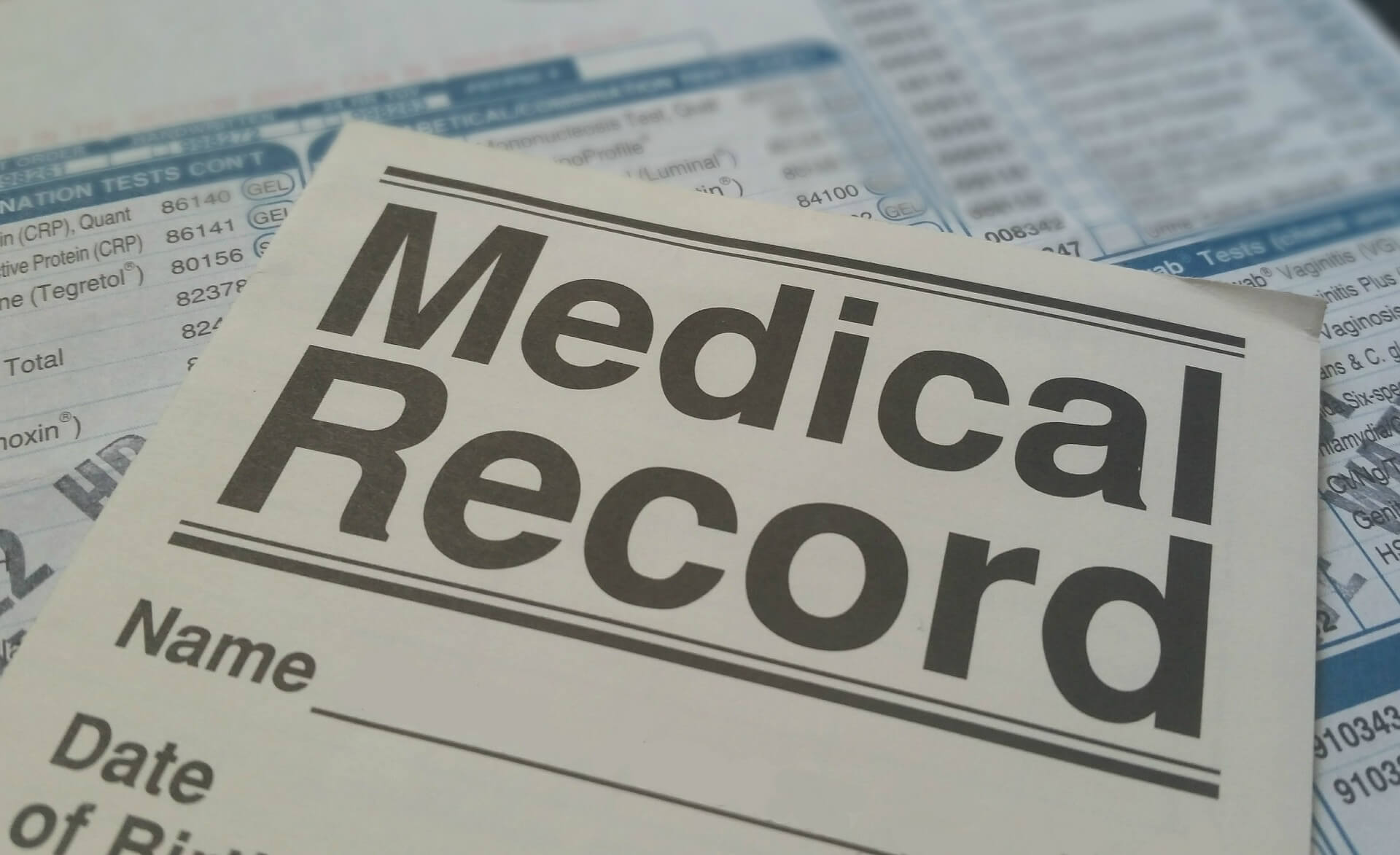
Considering the plummeting price of technology, especially data storage, it seems bizarre that paper based records still exist. However, it does have its benefits as well as its drawbacks and that is what we will address in this assignment.
Why do you think people are reluctant to go completely digital?
There’s most likely a couple of reasons for this:
- With a large organisation like the NHS, updating it to a digital record system is a big investment. It would cost a lot to not only implement the system, but then also train the thousands of staff employed by the NHS on how to use it properly.
- Although the medical field is quite forward thinking, it does usually take quite a lot of time for new things to be implemented because of the rigorous safety standards they have to meet. People tend to worry about the safety and security of their data, especially regarding sensitive data that may be included in personal health records.
- Some people are just resistant to change. In much the same way that some people are technophobes, there is a tendency to accept the status quo and keep things as they are to avoid the stress of having to learn new systems.
What benefits does a paper-based system have?
Generally, the main advantage that is talked about for paper-based systems is that they are as secure as the building that they are kept in. There is an inherent worry about the chances that data that is stored online can be hacked and stolen. The storage of online patient data needs to be secure.
This also relates to another benefit of paper-based systems. The fact that they are still accessible if there is a power outage, at the point of access of the point of storage. Data corruption and failure of the storage devices is also another worry that isn’t as much of an issue for paper systems. The only equivocal example would be paper records burning in a fire.
Medical Codes
There are codes relating to each disease used to classify the disease and remove ambiguity in descriptions. The International Classification of Diseases allows medical professionals to specify the disease, cause, location and severity in a manner that is very specific and that can be interpreted internationally. This allows much easier sharing of medical data.
To classify something like severity of pain, what kind of scale or system would you create?
Pain would be best described with a numbered system – 1-10 for example – to indicate severity alongside a descriptor to explain whether it is diffuse/widespread or pinpoint and another to describe whether it is sharp and sudden or more generalised and achy.
What benefits and drawbacks do you foresee?
Without an accurate scale to explain to a patient what each number of severity should feel like, it is quit easy for the score to be inaccurate as patients would give it their best guess, and one persons 10 may be different from another.
Also, using descriptive words in the scale will only result in ambiguity and differences in interpretation. So perhaps instead of using descriptive words, a lettering system could go alongside it with a well explained scale. For example, 5A could mean reasonable painful, widespread, aching pain, and 2C could mean something is hardly painful, but very specific and pinpoint.
 Understanding Digital Health